There’s a moment that happens in nearly every aesthetic consultation.
The client sits down, you look at their skin, you ask a few questions, and then you offer a recommendation based on what you see, what they’ve told you, and your professional instincts. You’re good at this. You’ve been doing it for years.
But here’s the truth: that process leaves money on the table, gaps in your treatment planning, and, most importantly, results that could be far better than they are.
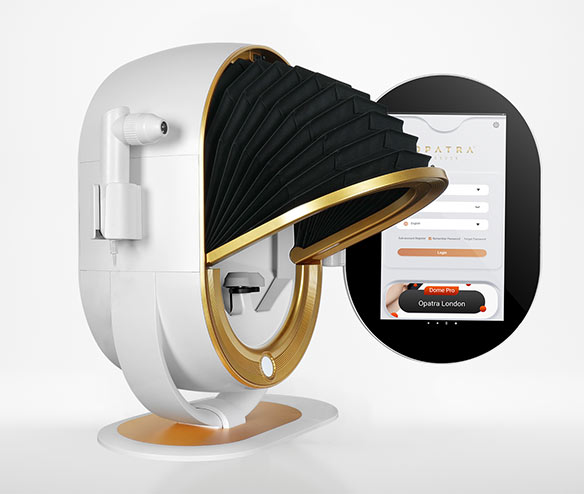
The Opatra Dome Pro changes that. In just 15 seconds, it gives you something that used to take years of relationship-building to achieve: a complete, objective, data-driven picture of what’s actually happening in your client’s skin. And when you know what’s actually happening, you can build a treatment plan that works — one that your client understands, believes in, and follows through on.
Here’s how to turn that 15-second scan into a 6-month transformation.
Step 1: Run the Scan During the Consultation
The biggest mistake clinics make with skin analysis technology is treating it as an add-on. A nice extra. Something you offer after you’ve already made your recommendations.
Flip that entirely.
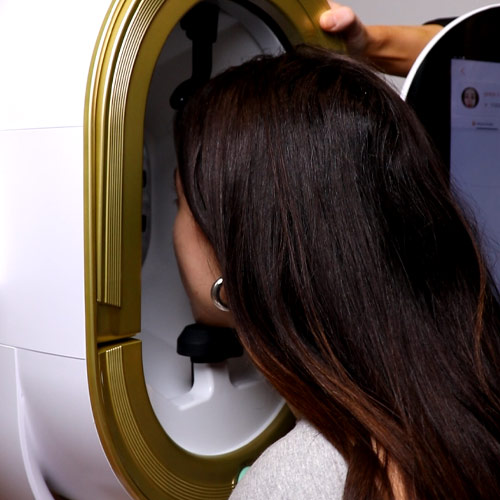
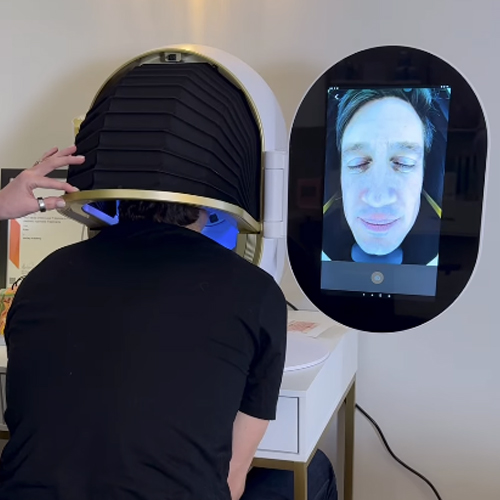
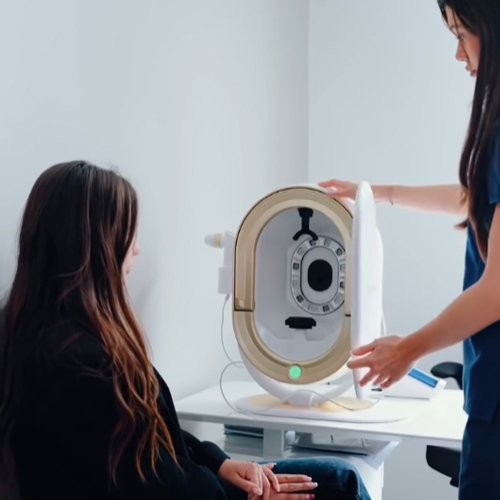
The Dome Pro scan should be the first thing that happens in every new client consultation. Before questions, before product discussions, before treatment recommendations. Why? Because the scan isn’t just data: it’s a conversation starter that shifts the entire dynamic of the appointment.
When a client watches their skin health appear on screen in real time, when they see their UV damage, their pore congestion, their hydration score, their subsurface pigmentation, something changes. They stop being a passive recipient of your recommendations and become an engaged participant in their own skin health.
That’s the foundation of a 6-month treatment plan: a client who is bought in from minute one.
Step 2: Let the Data Tell the Story (So You Don't Have To)
One of the most common friction points in aesthetics is the gap between what a professional sees and what a client believes. You know the texture issue is significant. They think they just need a good moisturizer. You can see the UV damage accumulating under the surface. They think their skin “looks fine.” The Opatra Dome Pro closes that gap.
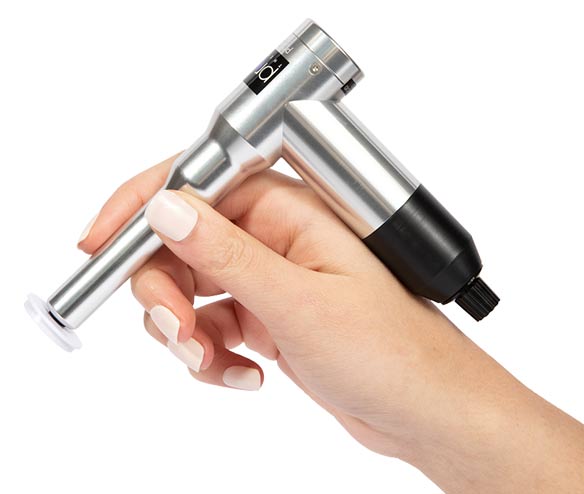
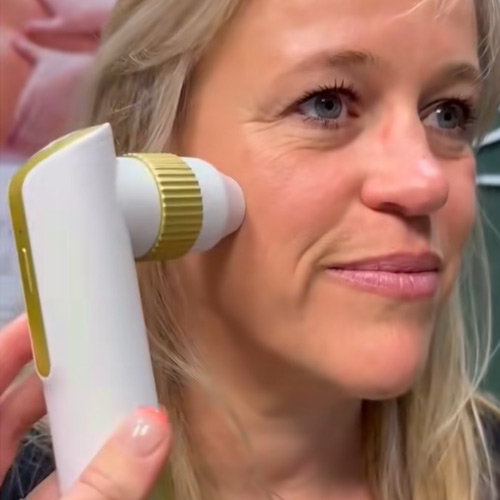
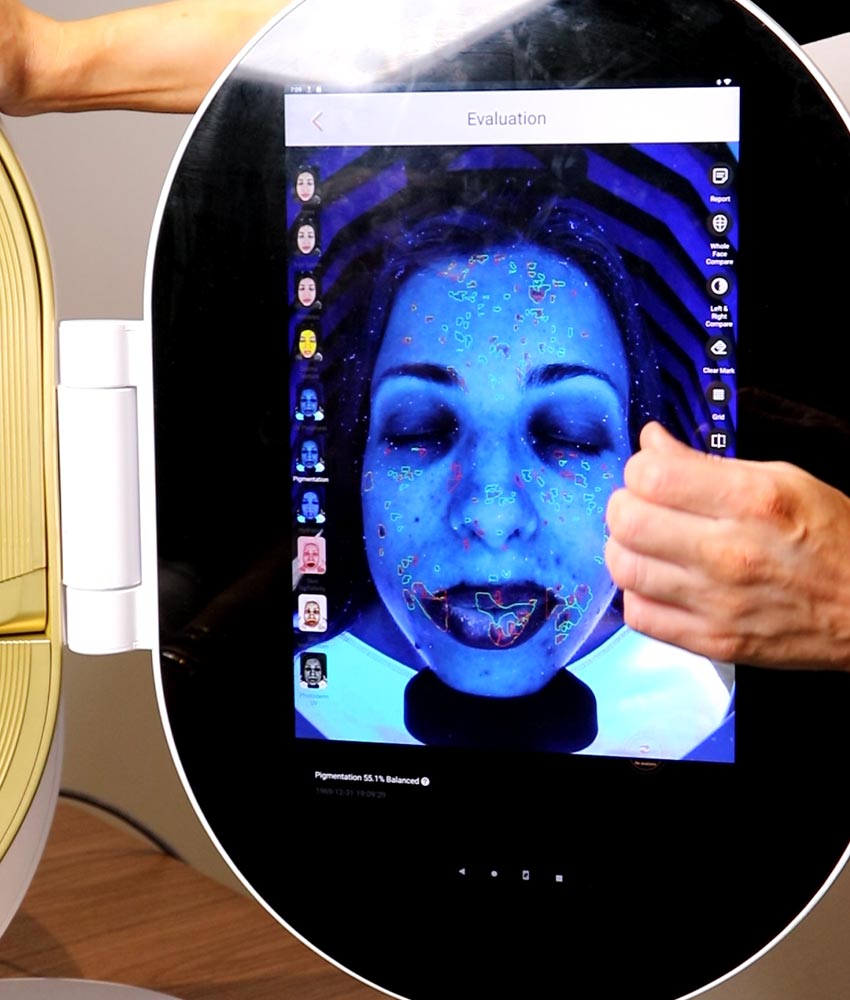
Using RGB visible light, polarized light, and UV spectrum imaging, the device captures what the naked eye simply cannot see — subsurface pigmentation, early pore damage, hydration levels at the dermal layer, and signs of photoaging that haven’t yet surfaced. When you show a client a UV image of sun damage that won’t be visible for another five years, you don’t have to convince them to use SPF. The image does it.
This matters for treatment planning because it eliminates objections before they arise. Your client isn’t agreeing to six months of treatments because you told them to. They’re agreeing because they saw the data and understand why.
Use this moment to walk through the 11 conditions the Dome Pro assesses. Explain what each score means. Point out the two or three areas that are most pressing. Let the AI-generated recommendations reinforce what you’re already seeing clinically.
By the end of this conversation, you’re not selling a treatment plan. You’re collaborating on one.
Pores
Size, density & congestion mapping
Age Spots
Surface & subsurface pigmentation
Wrinkles
Depth analysis for injection mapping
Derma Texture
Surface roughness & irregularities
UV Porphyrins
Bacterial activity under UV light
Pigmentation
Uneven tone, melasma & dark spots
Hydration
Moisture levels & barrier integrity
Skin Sensitivity
Redness, reactivity & inflammation
Skin Metabolism
Cellular activity & renewal rate
Photoderm UV
Sun damage depth & distribution
Scalp Health
Follicle density & scalp condition
+ More
Continuously updated via AI
Step 3: Build the Plan Around Priorities, Not Products
Once the scan is complete and the client understands their skin health picture, it’s time to structure the plan.
The most effective 6-month plans are built in layers, addressing the skin’s most critical needs first and building toward longer-term goals. Here’s a general framework:
Months 1–2: Foundation Address the baseline conditions that are interfering with everything else — hydration deficits, barrier disruption, active inflammation, congestion, or any acute concerns the scan revealed. No advanced treatments will work optimally on a compromised skin barrier. Home care protocols are established here. Client expectations are set.
Months 3–4: Correction With the skin stabilized, introduce corrective treatments targeting the client’s primary concerns — pigmentation, texture, laxity, fine lines. This is where more targeted modalities come in, whether that’s chemical peels, laser, microneedling, or a combination approach. The Opatra Dome Pro data tells you which conditions are driving the visible concerns, so your treatment selection is precise rather than generalized.
Months 5–6: Optimization and Maintenance Refine, protect, and document results. Rescan the client using the Dome Pro and compare scores directly to their baseline. Show them the progress — in numbers, in images, side by side. This is the most powerful moment in the entire plan, and it’s only possible because you started with objective data.
Step 4: Use Progress Tracking as a Retention Tool
Here’s where the Opatra Dome Pro becomes something most technology in your clinic doesn’t: a retention engine.
When clients see their before-and-after skin scores, something important happens. The results become real to them in a way that even mirror-based comparisons often don’t. Because even when clients feel better about their skin, they can second-guess themselves. “Am I imagining it? Is it the lighting?”
Numbers don’t second-guess. A hydration score that moved from 42 to 71 over six months is not ambiguous. A UV damage index that stabilized after consistent SPF use and targeted treatment is not subjective. It’s proof — and proof creates referrals.
Build quarterly rescans into your treatment plan from the start. Frame it as standard practice: “We’ll check in at three months to see how your skin is responding, and again at six months for a full comparison.” This isn’t upselling. It’s accountability, and clients who feel accountable to a plan are clients who follow through on it.
Step 5: Personalize the At-Home Protocol With the Same Data
A 6-month plan doesn’t live only in your clinic. What clients do at home, the products they use, the SPF they apply, the habits they maintain, accounts for the majority of their results.
The Opatra Dome Pro gives you the ability to make at-home recommendations that are specific to actual skin data, not guesswork. Hydration scores direct you toward the right moisturizer type. Sebum levels inform cleansing routines. UV damage index tells you how aggressive the SPF protocol needs to be. Barrier integrity guides you on whether actives like retinoids or acids are appropriate, and when.
This level of specificity does two things: it makes your product recommendations more effective, and it elevates your credibility with clients. When you can say “based on your scan results, your barrier is compromised, which is why we’re starting with a gentle cleanser and a ceramide-rich moisturizer before introducing any actives,” clients don’t question it. They follow it. And they come back.
The Bigger Picture: Moving From Transactional to Transformational
The aesthetic industry has long operated on a transactional model. Client comes in, gets a treatment, comes back when they want another. Results happen — sometimes dramatically — but they’re rarely documented, rarely connected to a plan, and rarely tied to a long-term relationship.
The 15-second Dome Pro scan is an invitation to operate differently.
When you start every client relationship with objective data, build a plan around that data, track progress against it, and show clients their results in real time — you’re not just a better clinician. You’re a clinician clients can’t imagine going anywhere else.
That’s not just good for your clients. It’s the foundation of a practice that grows sustainably, on the strength of results rather than the volume of new bookings.
Fifteen seconds. Six months. A completely different kind of practice.
GET STARTED
See It Live.
Decide With
Confidence
Our team will walk you through the full Opatra Dome Pro experience: tailored to your clinic’s services, team size, and revenue goals.
- Personalized demo
- See all imaging modes and AI analysis live
- Walk through the CRM and product recommendation engine
- Get a custom revenue projection for your clinic