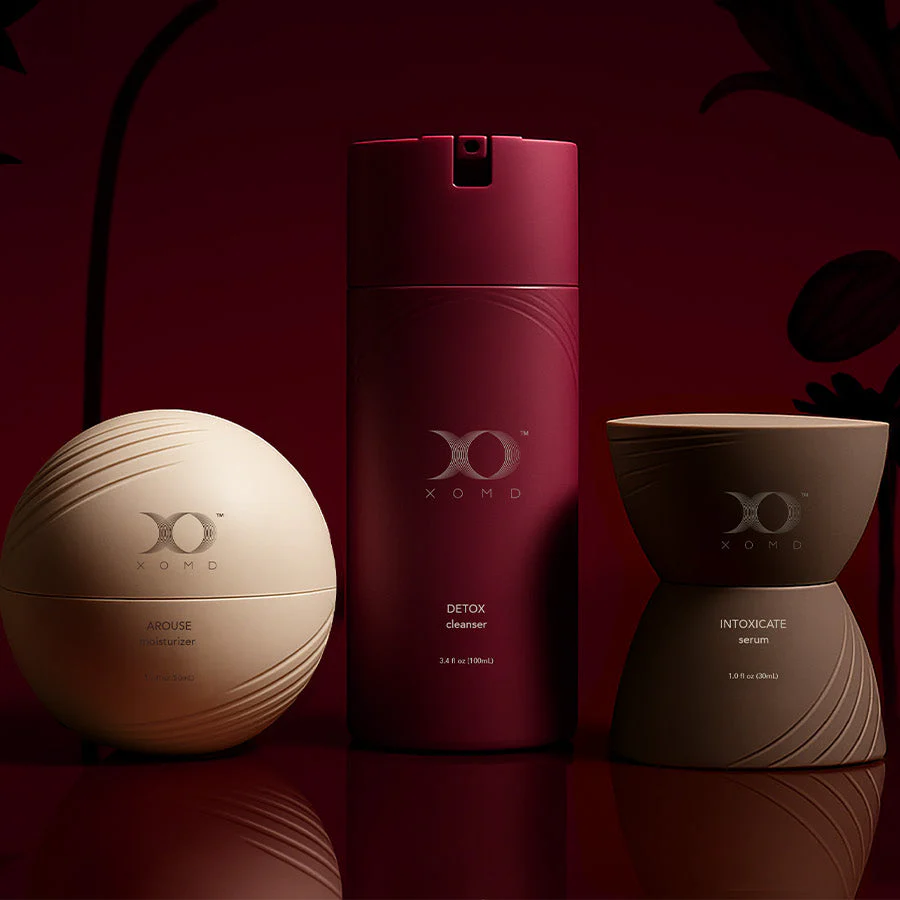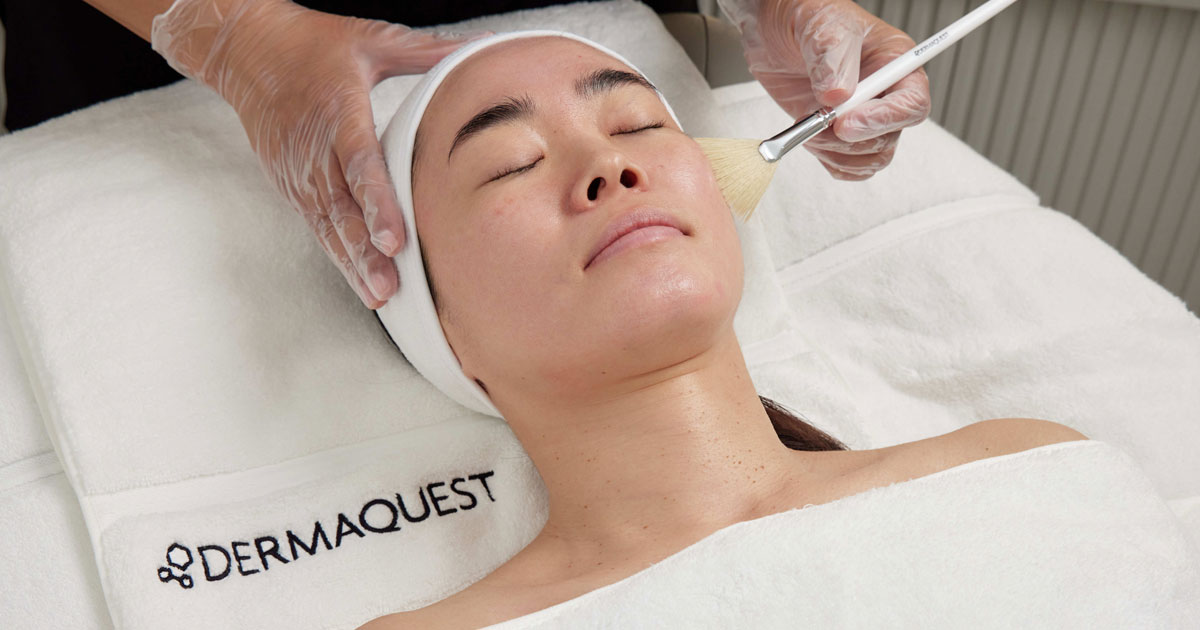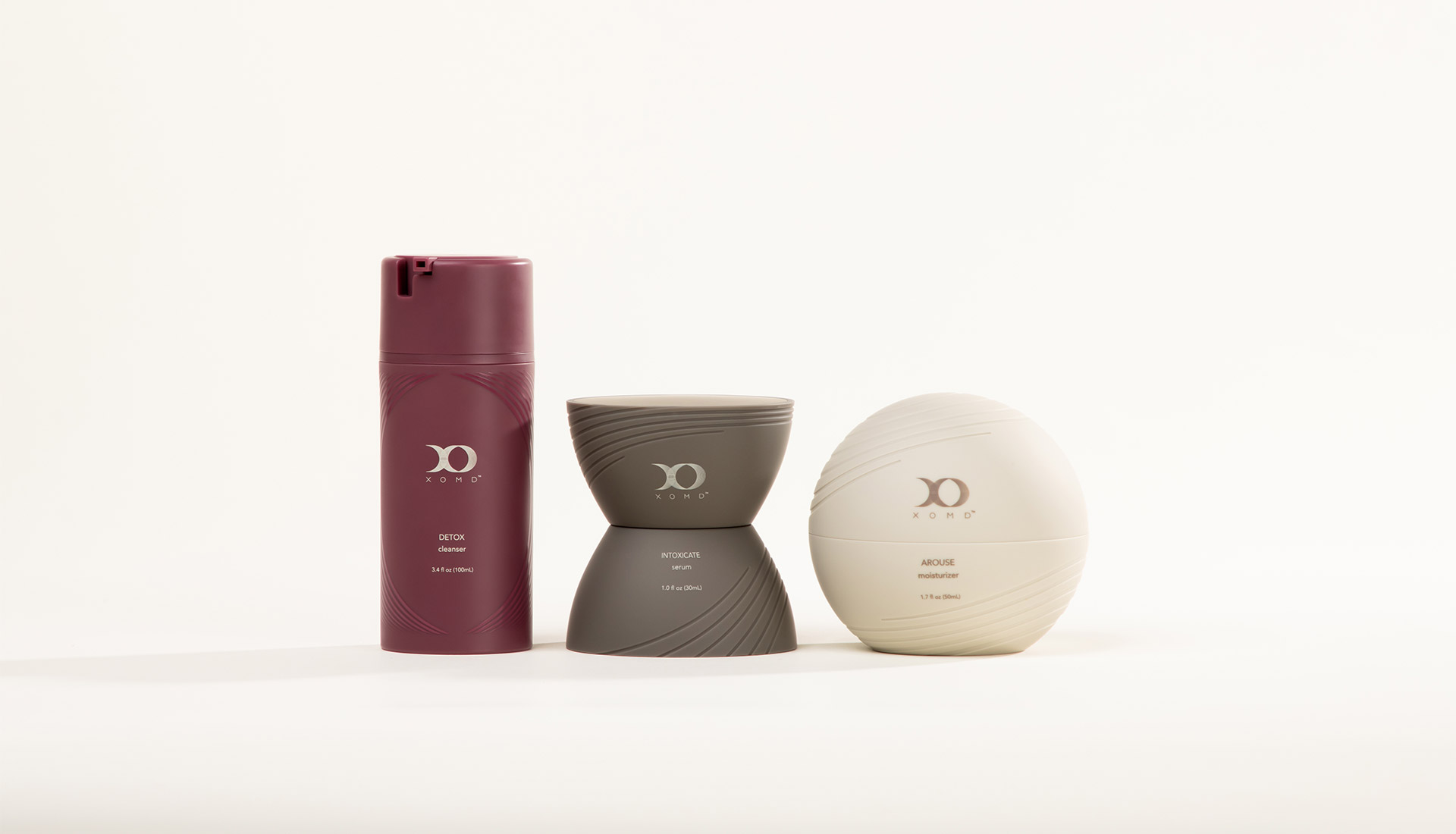
XOMD’s OX Factor technology just went head-to-head against prescription estriol 0.3% cream — and the results are turning heads in the dermatology world.
For decades, topical estrogen has been considered the gold standard for addressing skin changes during perimenopause and menopause — from dullness and dryness to loss of firmness. But estrogen isn’t the only hormone that declines as women age. Oxytocin does too — and the two hormones share many of the same receptors in the skin.
"Estrogen isn't the only hormone that declines during menopause. Oxytocin does too — and they share many of the same skin receptors."
That insight is the foundation behind XOMD’s OX Factor technology. And now, for the first time, it’s been put to the test against prescription topical estriol in a rigorous, randomized, investigator-blinded, head-to-head clinical trial.
12 wks
Randomized controlled trial duration
4 wks
When improvements began to appear
$55B
Peri- & menopausal skincare market
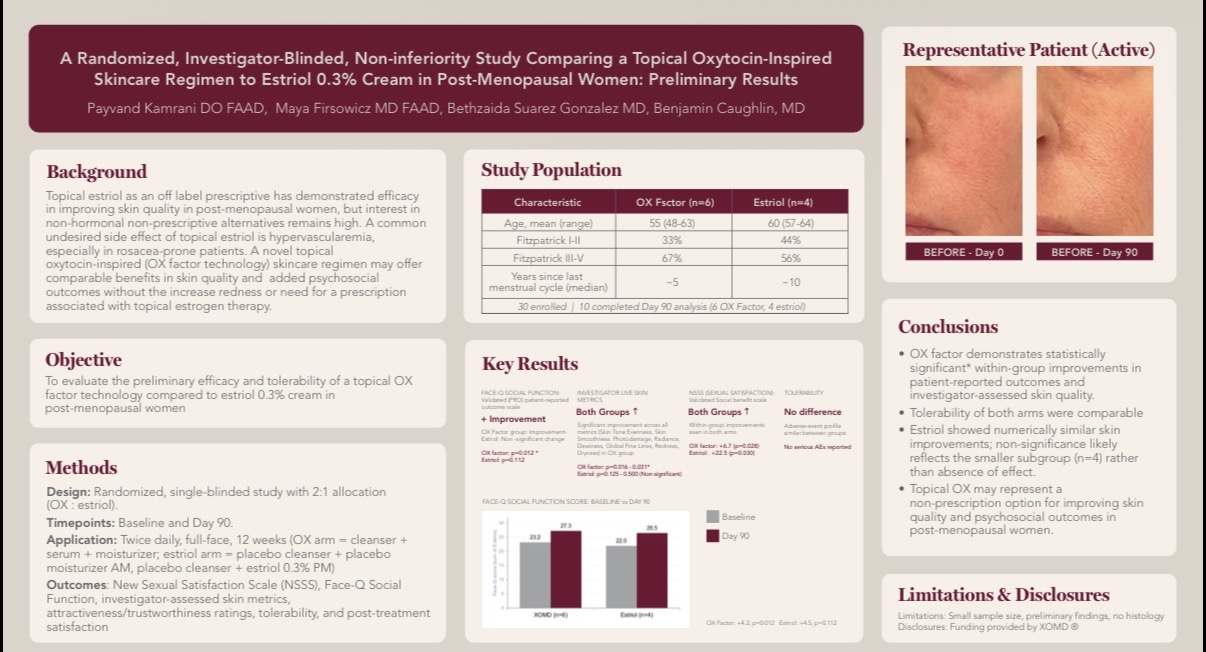
The preliminary results, presented at the SCALE meeting in Nashville in May 2025, showed XOMD was non-inferior to estriol 0.3% cream across key measures of skin quality and psychosocial wellbeing. Here’s what improved:
Skin moisture, radiance, and dewiness
Skin tone evenness and smoothness
Reduction in skin redness (where estriol did not)
Confidence and social well-being (Face-Q Social Function scale)
Tolerability was comparable between the two groups — with no serious adverse events reported in either arm. The key difference? XOMD requires no prescription, making it accessible to the millions of women seeking science-backed solutions outside the traditional healthcare system.
These are interim findings from an ongoing study. Full results are expected to be submitted for peer-reviewed publication later this summer. Stay tuned.