About Professor Farshid Sefat
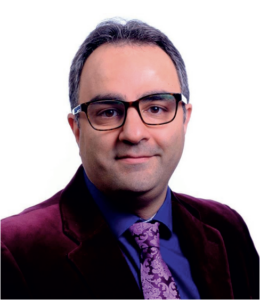
Professor Sefat is a distinguished academic and medical professional specializing in biomaterials, tissue engineering, and cellular therapies. In addition to his role at the University of Bradford, he has served as Head of Biomedical Engineering at King Faisal University (Saudi Arabia) and as a Visiting Professor at Stevens Institute of Technology (New Jersey, USA). Fluent in English, Arabic, and Persian, Professor Sefat continues to advance regenerative aesthetic medicine through innovation, research, and education.
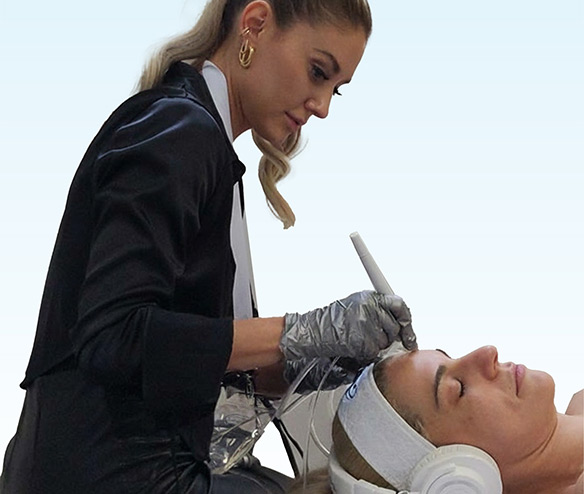
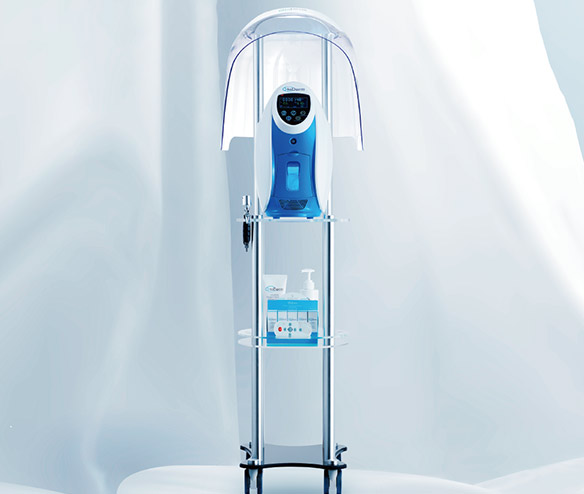
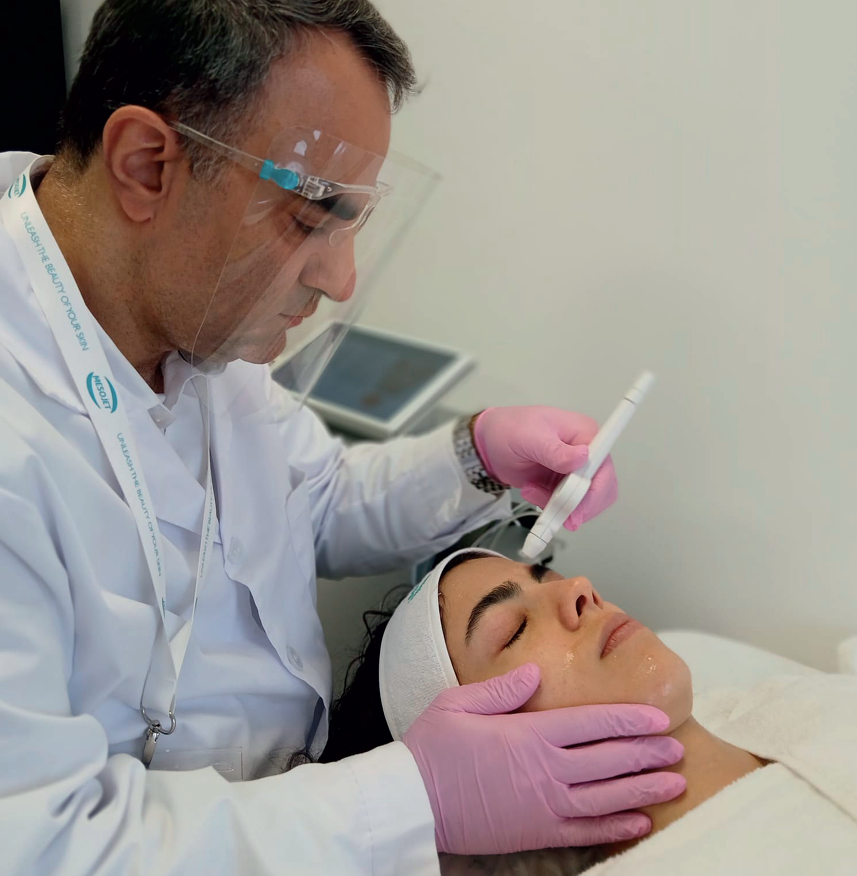
The MesoJet™ device employs high-velocity jet stream technology to deliver a multi-phased, non-invasive treatment protocol designed to optimize skin health and function. The procedure begins with lymphatic drainage, which enhances microcirculation and promotes the removal of interstitial toxins and metabolic waste, thereby creating a favorable environment for subsequent interventions.
This is followed by controlled exfoliation, achieved through the application of tailored solutions—ranging from mild enzymatic agents to more intensive hydro-exfoliants—that effectively remove corneocyte debris and refine the epidermal surface.
The final stage involves needle-free mesotherapy infusion, whereby bioactive compounds such as hyaluronic acid, peptides, growth factors, or vitamins are propelled transdermally into the dermis through hydrodynamic force.
Collectively, these sequential steps facilitate improved cellular metabolism, dermal hydration, and cutaneous regeneration without the risks or recovery time associated with invasive procedures.
The MesoJet™ technology developed in Italy, represents a significant advancement in non-invasive transdermal delivery systems within both aesthetic and regenerative medicine. Beyond its proven role in facial rejuvenation, the platform has demonstrated efficacy in scalp and hair restoration protocols, as well as in the management of chronic dermatologic conditions such as eczema, psoriasis, and inflammatory skin disorders. Its capacity to stimulate cellular repair and dermal remodeling also makes it highly effective in treating body-related concerns including stretch marks, skin laxity, and localized dyschromia. This versatility underscores MesoJet™ as a comprehensive tool that bridges aesthetic enhancement with regenerative therapeutic outcomes in modern clinical practice.
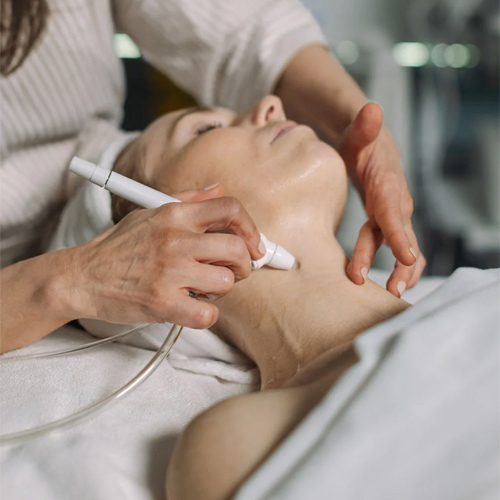
Clinical evaluation of the MesoJet™ system has provided compelling evidence supporting its transdermal delivery efficacy. In a comparative study assessing serum penetration, the use of the Premium handpiece demonstrated a markedly superior performance over conventional topical application. Quantitative analysis revealed that, after just one hour, the concentration of active solution within the skin was approximately 100 times greater with MesoJet™ infusion than with surface-level application alone. These findings underscore the system’s ability to overcome the natural barrier function of the stratum corneum, thereby validating its role as a reliable and effective modality for enhancing bioavailability of therapeutic and aesthetic formulations.
Clinical evaluation of the MesoJet™ system has provided compelling evidence supporting its transdermal delivery efficacy. In a comparative study assessing serum penetration, the use of the Premium handpiece demonstrated a markedly superior performance over conventional topical application. Quantitative analysis revealed that, after just one hour, the concentration of active solution within the skin was approximately 100 times greater with MesoJet™ infusion than with surface-level application alone. These findings underscore the system’s ability to overcome the natural barrier function of the stratum corneum, thereby validating its role as a reliable and effective modality for enhancing bioavailability of therapeutic and aesthetic formulations.
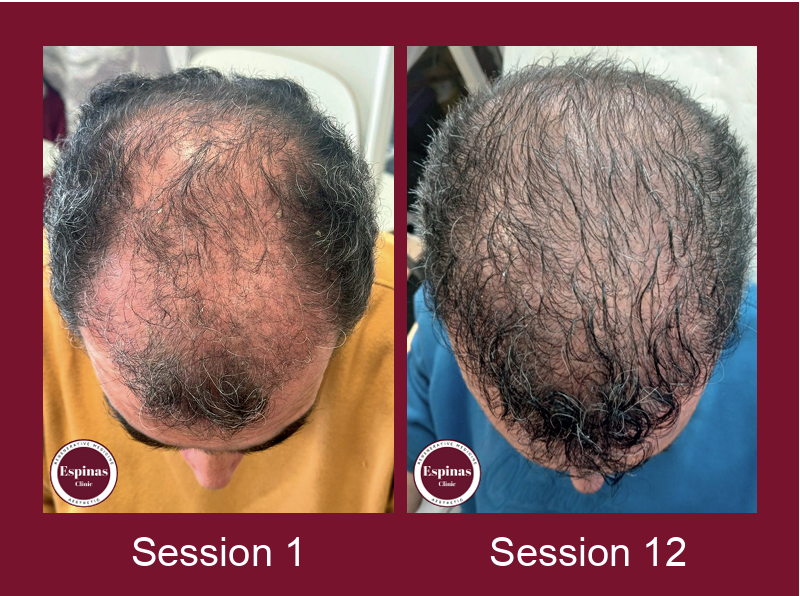
At our Espinas Clinic in Manchester (UK), we have observed remarkable clinical outcomes with the use of the MesoJet™ Premium Handpiece for hair restoration.
The case presented here illustrates a 44-year-old patient who underwent 12 treatment sessions, achieving visible and significant hair regrowth. The efficacy of this protocol can be attributed to the synergistic effects of customized exfoliation—removing excess sebum, cellular debris, and scalp build-up to optimize follicular microenvironments—and needle-free mesotherapy infusion, which facilitated the transdermal delivery of bioactive compounds directly to the hair follicles. By combining these mechanisms, the treatment enhanced local circulation, improved nutrient availability, and reactivated dormant follicles, resulting in substantial clinical improvement.
These findings highlight the potential of MesoJet™ therapy as a safe, non-invasive, and effective intervention for patients experiencing hair loss, including those with underlying immune-mediated conditions such as alopecia.
As a medical professional and academic in the field of regenerative medicine, I have had the opportunity to integrate advanced technologies such as the MesoJet™ system into clinical and translational practice. I am Dr. Farshid Sefat, Professor in Regenerative Medicine.
In parallel to my research expertise in biomaterials, tissue engineering, and cellular therapies, I have introduced the use of MesoJet™ technology in the UK for both aesthetic applications—including skin rejuvenation, anti-wrinkle protocols, dark under-eye correction, stretch mark reduction, and hair growth stimulation—as well as for the management of dermatologic and immune-related conditions such as alopecia and chronic inflammatory skin disorders.
This dual clinical and academic perspective underscores the unique value of MesoJet™ in bridging aesthetic medicine with evidence-based regenerative therapeutics to improve patient outcomes.
In addition to its core platform, the MesoJet™ system is also available in an advanced configuration that integrates Radio Frequency (RF) technology. This combination allows practitioners to perform hydroporation and RF-based stimulation within the same session, thereby enhancing both immediate and long-term treatment outcomes. While the hydroporation step ensures deep skin cleansing, hydration, and transdermal delivery of active compounds, the application of RF energy simultaneously promotes collagen synthesis and dermal remodeling through controlled thermal induction. The synergistic effect of these modalities provides patients with comprehensive rejuvenation—addressing both surface-level concerns and deeper structural integrity—while maintaining the non-invasive and well-tolerated nature of the procedure.
Dr. Farshid Sefat
Professor in Regenerative Medicine at University of Bradford (UK)